

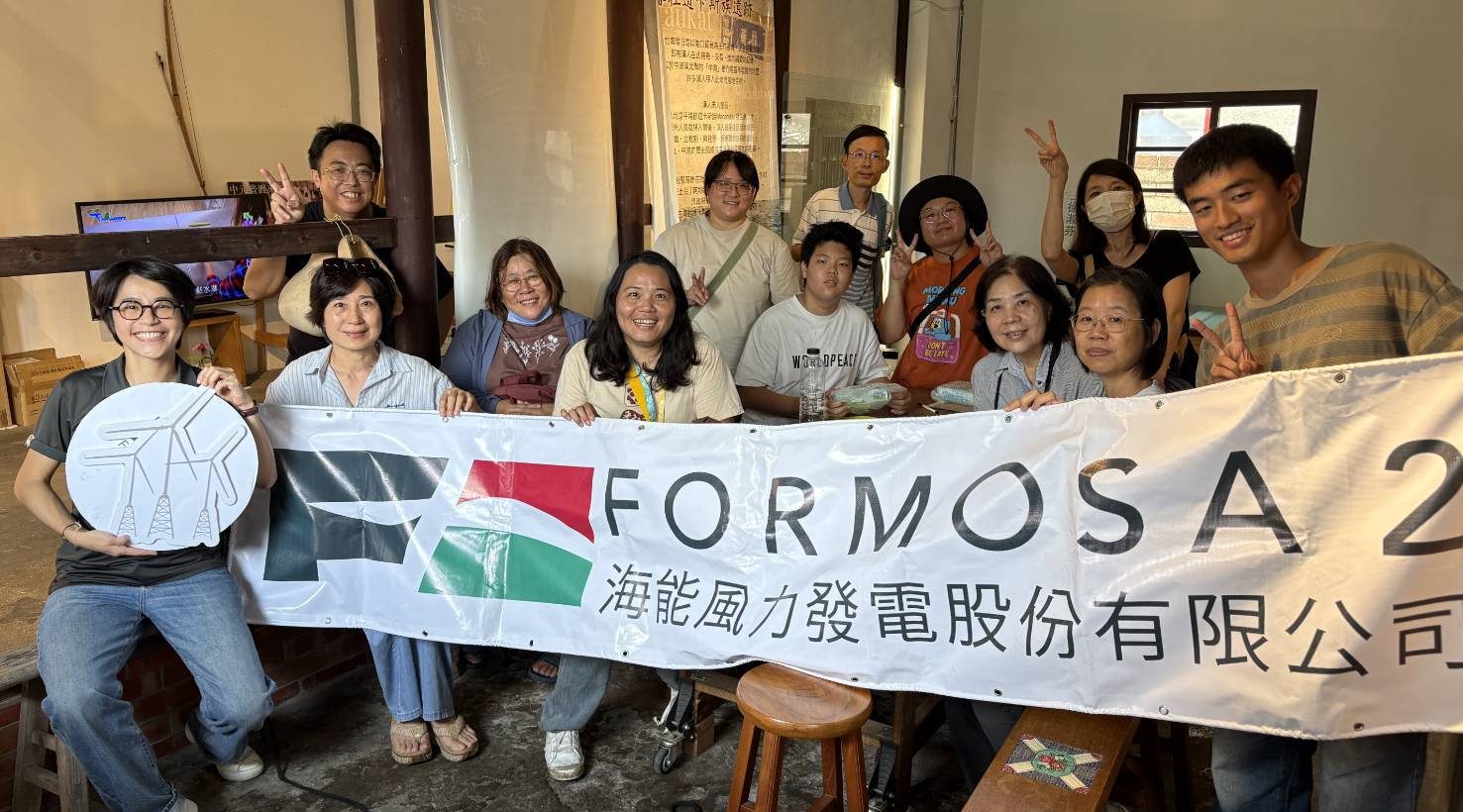
In fulfilling our long-standing commitment to deepening local roots in Miaoli and passing down local cultural heritage, Formosa 2 partnered with the Miaoli Local Culture Promotion Association (Huansia 30) this October to organize the "Discover Zhonggang – A Cultural Journey with Taiwanese Language" (那講那耍遊中港 台語桌仔奕;Ná Kóng Ná Sńg Iû Tiong-káng, Tâi-gí Toh-á-ī).
The program took participants to six historic sites in the Zhonggang settlement of Zhunan, Miaoli County. The walks provided an opportunity to gather local stories, historical information, and feedback from participants, which will help shape the design of a Taiwanese-language board game currently in development. The initiative aims to encourage the use of Taiwanese in everyday life and give residents an engaging way to learn about their hometown's history and culture.
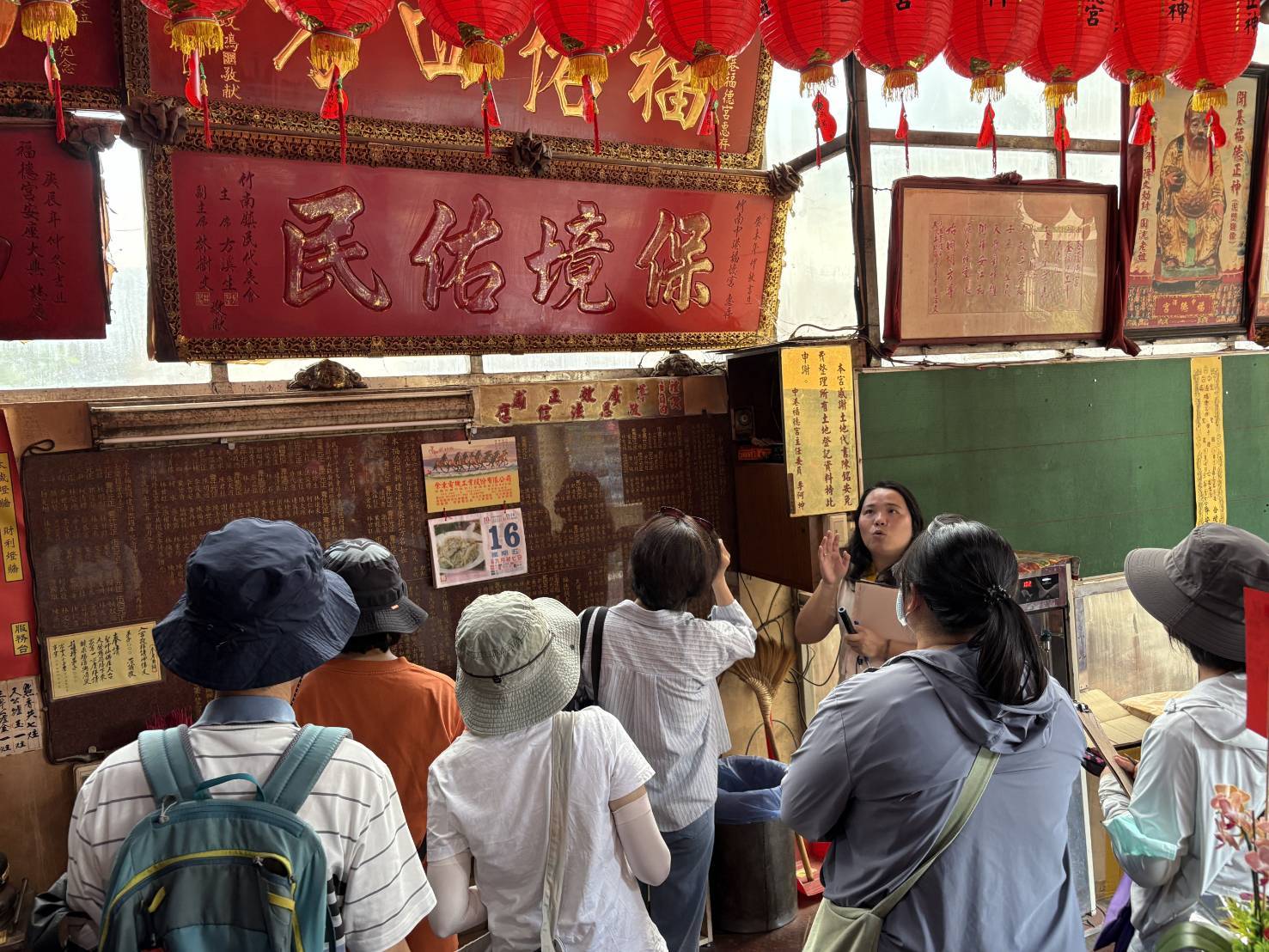
Held over weekends in October, the walking tour was led by local guides from Huansia 30. Participants explored Zhonggang's historic streets and visited six sites, including Longfeng Temple, Baoan Temple, Ciyu Temple, Fude Temple, Chuansong Hospital, and the Chen Family Ancestral Residence.
Recognizing that local history and folklore have rarely been preserved or narrated in the native tongue, the program encouraged participants not only to appreciate historic architecture and local beliefs, but also to ask questions, document daily life, and discuss community affairs in Taiwanese. This hands-on experience aimed to rebuild participants' confidence in speaking their mother tongue naturally in daily life.
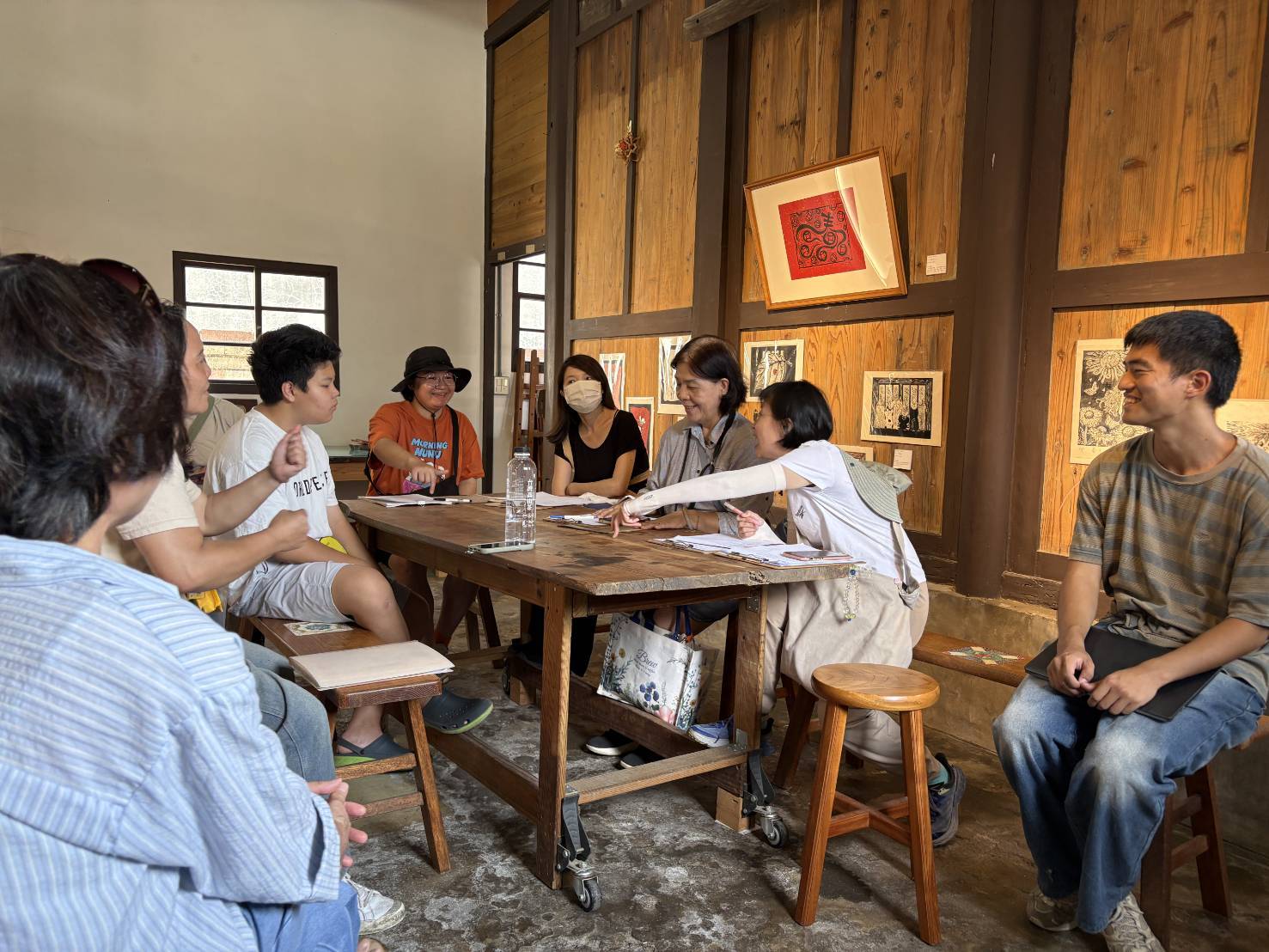
Following the tours, participants organized the historical and cultural information they had gathered and explored ways to turn stories about historic buildings, local deities, and everyday life into game characters, challenges, and cards.
To ensure the quality, the workshop invited board game designers to guide the design and improvement of game mechanics. In addition, Taiwanese-language consultants were engaged to review the game's text and pronunciation to ensure linguistic accuracy and cultural relevance. Once the board game is developed, the team plans to invite local schools to try it out and share feedback. Through this interactive learning experience, the team hopes to help children discover their local heritage while creating more opportunities to learn and use Taiwanese.
Renewable energy supports environmental sustainability, while language and local history play an equally important role in preserving community identity. Through partnerships with local organizations, Formosa 2 hopes to make Zhonggang's cultural heritage more accessible to younger generations.
Looking ahead, Formosa 2 will continue to work with local cultural organizations and school to support cultural education and community engagement, helping preserve local heritage and strengthen its long-term relationships with communities in Miaoli.